


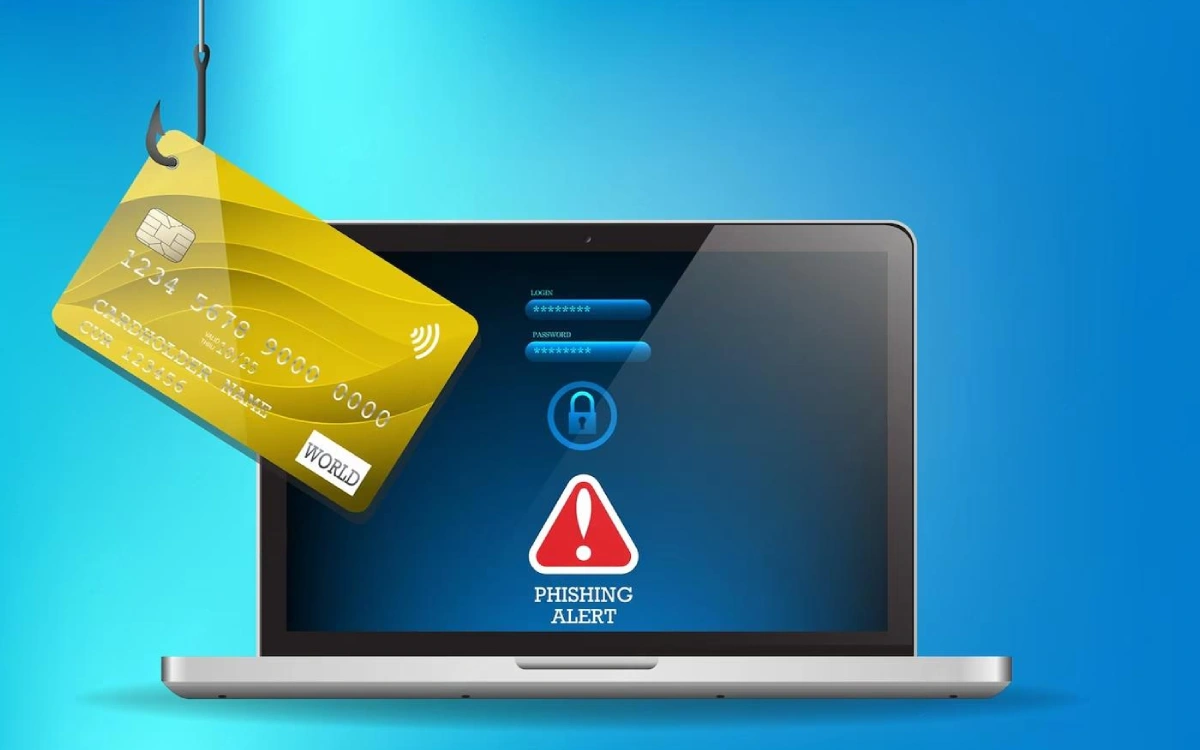
Bank & Credit Card Phishing Message Awareness
Understand how scammers use fake banking messages to steal your personal and financial information.
Bank and credit card phishing messages are fraudulent emails, SMS, or messages that appear to come from your bank or financial institution.
These messages are designed to trick you into sharing sensitive information such as login credentials, card details, or one-time passwords (OTP).
They often look legitimate and create urgency to make you act quickly.
Understanding Phishing Messages
Scammers mimic real bank communication using logos, language, and formatting to appear trustworthy.
Their goal is to make you panic or act quickly without verifying the message.
Common Types of Phishing Messages
Fake Transaction Alerts
Messages claim suspicious or unauthorized activity on your account.
They include a link asking you to verify your account.
Account Blocked or Suspended Messages
Scammers say your account has been locked and needs immediate verification.
They attempt to steal your login credentials.
OTP or Verification Scams
Fraudsters request OTP codes or verification details while pretending to be bank representatives.
Credit Card Reward Scams
Messages claim you have earned rewards or cashback.
Links lead to fake websites designed to steal your information.
Payment Confirmation Scams
You receive a message confirming a payment you did not make.
This creates panic and encourages you to click malicious links.
Warning Signs of Phishing Messages
- Urgent or threatening language
- Unknown or suspicious links
- Misspelled sender names or domains
- Requests for OTP, PIN, or passwords
- Generic greetings like \"Dear Customer\"
- Messages from unknown numbers
How to Stay Safe
- Never click on unknown or suspicious links
- Always use official banking apps or websites
- Do not share OTP, PIN, or passwords with anyone
- Verify messages directly with your bank
- Enable transaction alerts
- Use spam filters on your devices
What To Do If You Receive a Phishing Message
- Do not click any links
- Do not reply to the message
- Delete the message
- Block the sender
- Report it as spam
If You Have Already Clicked or Shared Information
Take immediate action:
- Contact your bank immediately
- Block your card or account if necessary
- Change your passwords
- Monitor your transactions
- Enable additional security measures
Why Awareness Matters
Phishing messages are one of the most common types of financial scams.
By staying aware, you can protect your bank accounts, avoid financial loss, and stay safe from fraud.
Stay Alert and Stay Safe
Always verify before you trust any banking message.
If something feels suspicious, do not click, do not share, and report it immediately.