


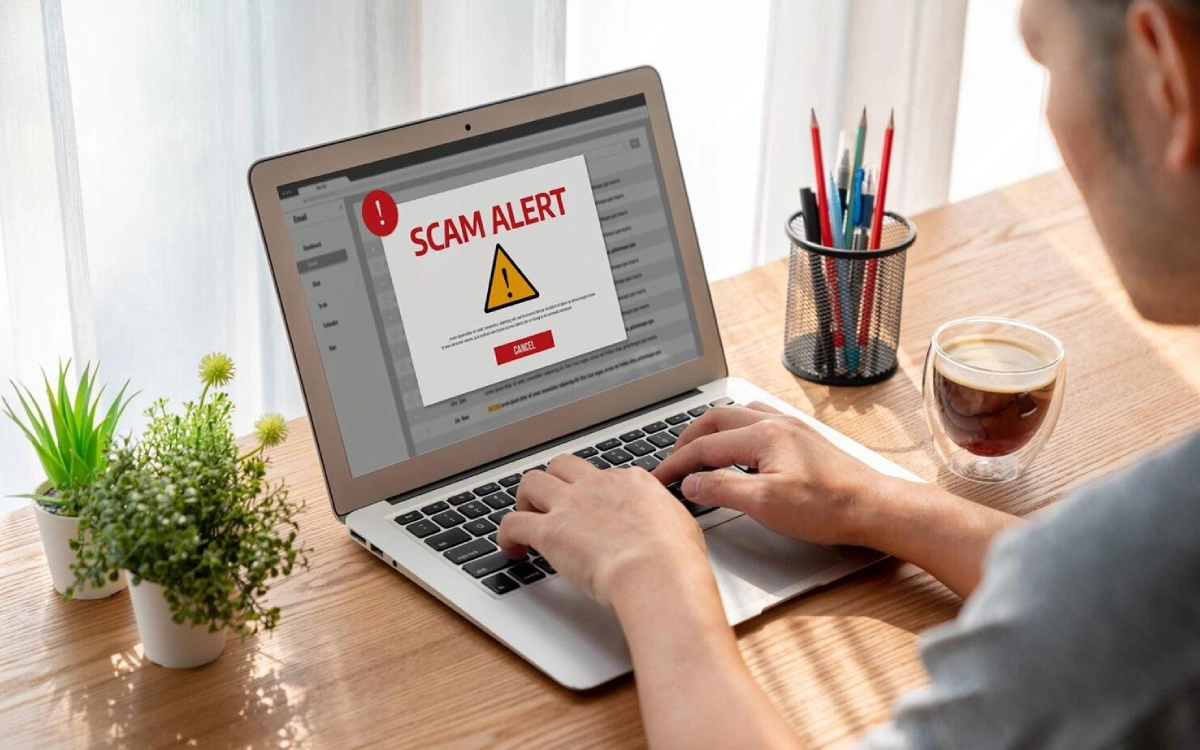
Job Offer & Work-From-Home Scam Awareness
Learn how scammers use fake job opportunities to steal money and personal information from job seekers.
Job offer and work-from-home scams are fraudulent schemes where scammers pose as recruiters or companies and offer fake job opportunities.
These scams are designed to trick individuals into paying money or sharing sensitive personal details.
They often target people looking for remote work, flexible jobs, or quick income opportunities.
Understanding Job Scams
Scammers create convincing job offers that appear legitimate, often using fake company names or impersonating real organizations.
Their goal is to gain your trust and pressure you into making payments or sharing confidential information.
Common Types of Job Scams
Fake Job Offer Without Interview
Scammers send offer letters or selection emails without conducting any interview.
They ask for registration or onboarding fees.
Work-From-Home Scams
Offers promise easy online work with high income and minimal effort.
Victims are asked to pay upfront, and the work is either fake or unpaid.
Data Entry & Typing Jobs
Scammers promise simple tasks with guaranteed earnings.
They ask for security deposits and later reject the work to avoid payment.
Fake Recruiters
Fraudsters impersonate HR professionals or well-known companies.
They contact victims via messaging apps or email and request personal or financial details.
Overseas Job Scams
Scammers offer jobs abroad, including in the United States, with visa sponsorship.
They demand visa processing fees or travel charges.
Warning Signs of Job Scams
- Job offer without any interview
- Requests for upfront payment
- Unprofessional emails or messages
- Emails from free domains like Gmail or Yahoo
- Unrealistic salary offers
- Pressure to respond quickly
How to Stay Safe
- Never pay money to get a job
- Verify company and recruiter details
- Apply through official company websites
- Do not share sensitive personal information
- Research job offers before accepting
What To Do If You Suspect a Job Scam
- Do not respond to the offer
- Do not send money or documents
- Verify the company independently
- Report the job listing or recruiter
- Block suspicious contacts
If You Have Already Been Scammed
Take immediate action:
- Stop communication with the scammer
- Report the incident
- Contact your bank if payment was made
- Secure your personal information
Why Awareness Matters
Job scams are increasing rapidly, especially with the rise of remote work opportunities.
By staying aware, you can protect your money, protect your identity, and avoid fake job traps.
Stay Safe While Job Hunting
Always remember that genuine companies never ask for payment.
Verify every opportunity before trusting it and be cautious of offers that seem too good to be true.