


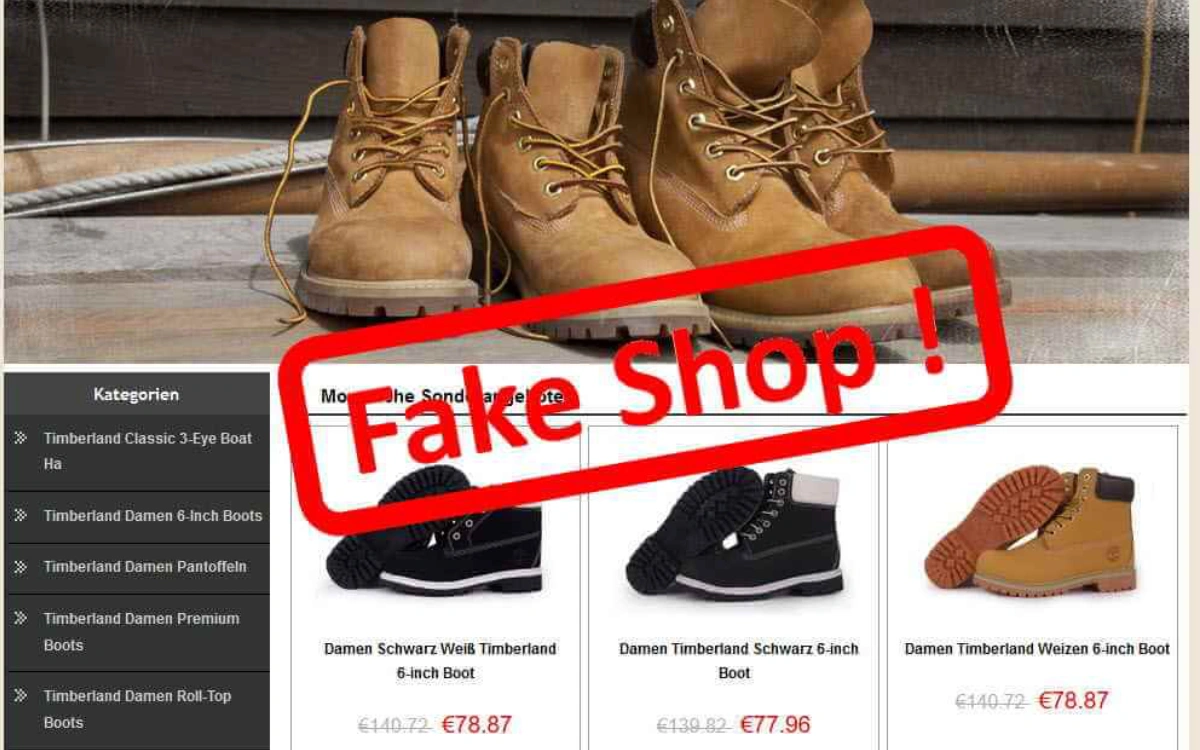
Online Shopping & Fake Website Scam Awareness
Learn how scammers use fake websites and online stores to trick users into losing money and personal information.
Online shopping and fake website scams are frauds where scammers create fake e-commerce platforms or impersonate real brands.
Their goal is to trick users into making payments or sharing sensitive financial details.
These scams often look highly convincing and use attractive deals to lure victims.
Understanding Online Shopping Scams
Scammers design fake websites that closely resemble legitimate online stores.
They use discounts, urgency, and professional-looking layouts to gain your trust.
Common Types of Online Shopping Scams
Fake E-commerce Websites
Fraudsters create websites that look like real online stores.
They offer heavy discounts and limited-time deals.
After payment, products are either not delivered or are low-quality.
Social Media Shopping Scams
Scams appear through ads on social media platforms.
They promote trending products at very low prices.
Users are redirected to fake checkout pages and never receive their orders.
Counterfeit Product Scams
Scammers sell fake branded items while claiming they are original.
Products received are often poor quality or counterfeit.
Fake Payment Pages
Users are redirected to fraudulent checkout pages.
These pages are designed to steal card and payment details.
Non-Delivery Scams
Payments are completed successfully, but the product is never delivered.
The seller stops responding after receiving money.
Warning Signs of Fake Shopping Websites
- Extremely low or unrealistic prices
- Poor website design or broken pages
- No contact information provided
- No return or refund policy
- Suspicious or unknown domain names
- Only prepaid payment options available
- Lack of customer reviews
How to Stay Safe
- Shop only from trusted and verified websites
- Check website URLs carefully before purchasing
- Ensure the website uses HTTPS security
- Read customer reviews and ratings
- Avoid deals that seem too good to be true
- Use secure payment methods such as credit cards
What To Do If You Suspect a Fake Website
- Do not make any payment
- Leave the website immediately
- Do not enter personal or financial details
- Report the website
- Warn others if possible
If You Have Already Paid
Take immediate action:
- Contact your bank or card provider
- Request a chargeback if available
- Monitor your transactions closely
- Report the scam to authorities
Why Awareness Matters
Online shopping scams are increasing rapidly with the growth of e-commerce.
By staying aware, you can protect your money, avoid fake websites, and shop safely online.
Shop Smart, Stay Safe
Before making any purchase, always verify the website, check reviews, and use secure payment methods.