
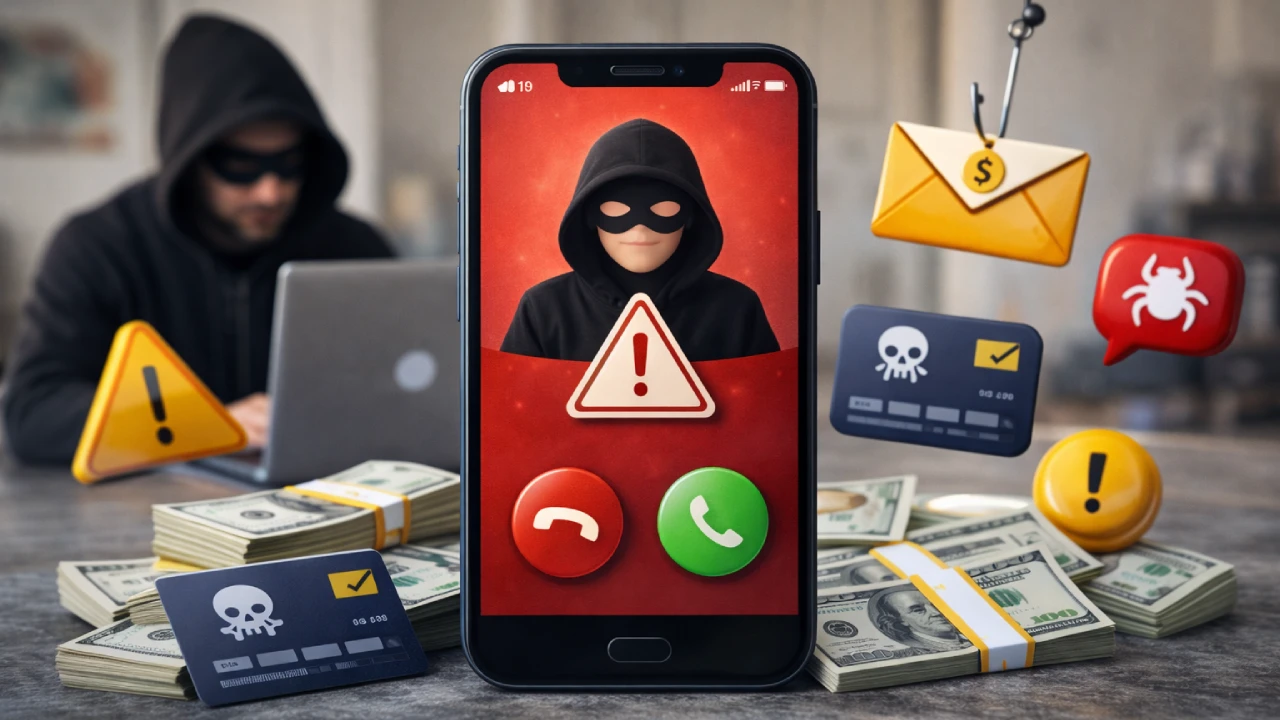
Scam calls have become one of the most common types of fraud in the United States, targeting millions of people every year. Fraudsters use advanced tactics to trick individuals into sharing personal information or sending money. Knowing how to identify scam calls can help you stay safe and protect your finances.
In this guide, we’ll break down 7 warning signs of scam calls you should never ignore.
1. Unknown or Spoofed Phone Numbers
Scammers often use caller ID spoofing to make it appear like they’re calling from a trusted source such as a bank, government agency, or even a local number.
Tip: Don’t trust a call just because the number looks familiar.
2. Urgent or Threatening Language
Fraudsters create panic by saying things like:
- “Your Social Security number has been suspended.”
- “You’ll be arrested if you don’t pay immediately.”
Legitimate organizations rarely threaten you over the phone.
3. Requests for Personal Information
Be cautious if the caller asks for:
- Social Security Number (SSN)
- Bank account details
- OTPs or passwords
Organizations like the Internal Revenue Service never ask for sensitive details via phone calls.
4. Demand for Immediate Payment
Scammers often insist on unusual payment methods such as:
- Gift cards
- Cryptocurrency
- Wire transfers
These payment methods are difficult to trace, making them a favorite among scammers.
5. Too Good to Be True Offers
If someone promises:
- Free vacations
- Lottery winnings
- Huge investment returns
…it’s likely a scam. Remember: if it sounds too good to be true, it probably is.
6. Robocalls and Pre-Recorded Messages
Automated calls or robocalls are frequently used to:
- Promote fake services
- Trick users into pressing buttons or calling back
The Federal Trade Commission warns consumers to avoid engaging with such calls.
7. Caller Refuses Verification
A genuine company will:
- Allow you to call back on official numbers
- Provide verifiable information
Scammers avoid this and pressure you to act immediately.
What to Do If You Receive a Scam Call
- Hang up immediately
- Do not share any personal information
- Block the number
- Report the call to the Federal Trade Commission
How to Protect Yourself from Scam Calls
- Register your number on the National Do Not Call Registry
- Use call-blocking apps
- Enable spam filters on your phone
- Stay informed about new scam tactics
Conclusion
Scam calls in the United States are increasing, but awareness is your strongest defense. By recognizing these 7 warning signs, you can avoid falling victim to fraud and keep your personal information secure.