


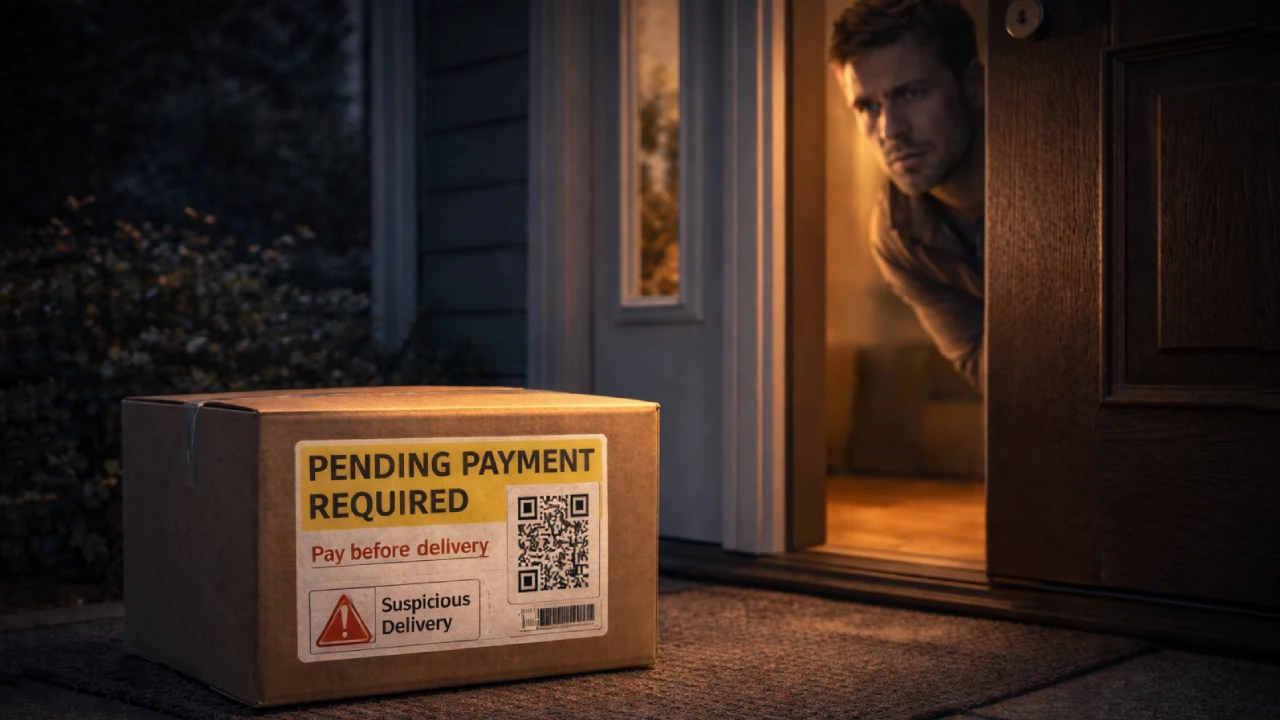
Delivery Scam Protection
Learn how delivery scams trick people into clicking malicious links, paying fake fees, or sharing personal information, and how you can recognize and avoid these scams.
Delivery scams are fraudulent attempts where scammers impersonate courier companies or delivery services to deceive users.
These scams usually appear through SMS, emails, or fake tracking notifications, often claiming there is an issue with your package.
Understanding Delivery Scams
Delivery scams are a type of phishing attack where fraudsters pretend to be legitimate courier services.
Their goal is to steal personal information, financial details, or money by creating urgency related to package delivery issues.
These scams commonly target online shoppers and frequent delivery users.
Common Types of Delivery Scams
Fake Delivery SMS (Smishing)
You may receive messages like “Your package is delayed” or “Update delivery details here”.
These messages include suspicious links that lead to fake tracking pages.
Fake Courier Emails
Scammers send emails pretending to be from courier companies.
They claim delivery failed or that your address needs confirmation.
Fake Tracking Websites
Links lead to websites that look like real courier pages.
They ask for personal details or payment information.
Customs Fee Scams
Scammers claim your package is stuck in customs.
They demand payment for release or handling charges.
Package Not Delivered Scams
You may receive calls or messages saying your package is undelivered.
Scammers try to collect personal information or ask for re-delivery charges.
How to Recognize Delivery Scams
Users should look for these warning signs:
- Unexpected delivery messages
- Unknown or suspicious links
- Urgent requests to act quickly
- Payment requests for delivery
- Misspelled company names
- Messages from unknown numbers
Always verify delivery information through official sources.
How to Stay Safe from Delivery Scams
To reduce the risk, follow these best practices:
- Do not click unknown links
- Track packages using official courier websites
- Verify sender details carefully
- Never pay unexpected delivery fees
- Avoid sharing personal information
- Use official apps of delivery services
If something seems suspicious, do not proceed.
What To Do If You Receive a Scam Message
- Do not click the link
- Do not respond to the message
- Block the sender
- Report it as spam
- Delete the message
If You Have Already Clicked or Paid
Take immediate action:
- Contact your bank or payment provider
- Change your passwords
- Monitor your accounts for suspicious activity
- Run a security scan on your device
You can also submit a help request on our platform, and our team will guide you with the next steps.
Why Awareness Matters
Delivery scams exploit everyday online shopping habits.
By staying aware, you can protect your financial information, avoid phishing attacks, and stay safe while shopping online.