


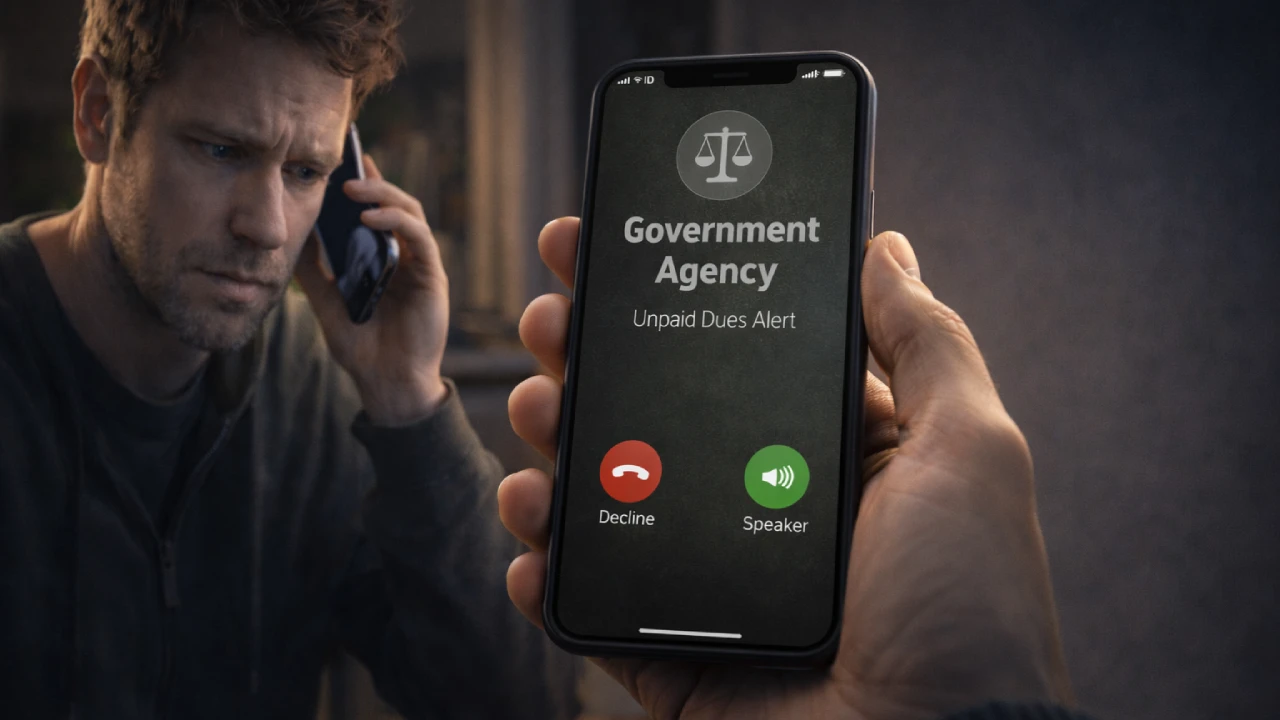
Government Impersonation Scam Awareness
Learn how scammers pretend to be government officials to pressure individuals into sharing sensitive information or making payments.
Government impersonation scams are frauds where criminals pose as officials from government agencies to deceive people.
They often rely on fear, authority, and urgency—threatening legal action, penalties, or account issues to force quick decisions.
Understanding Government Impersonation Scams
In these scams, fraudsters pretend to represent trusted authorities such as tax departments, law enforcement, or immigration offices.
Their goal is to steal money or sensitive personal data like identity details, bank information, or login credentials.
Common Types of Government Impersonation Scams
Tax Scams
Scammers claim you owe unpaid taxes and threaten legal consequences if you don’t pay immediately.
They often demand payment via gift cards, wire transfers, or cryptocurrency.
Social Security or Identity Scams
Fraudsters say your identification number is suspended or under investigation.
They try to collect personal and financial details.
Law Enforcement Scams
Scammers pose as police or federal agents.
They claim you are involved in a crime and demand payment to avoid arrest.
Immigration Scams
They threaten visa cancellation or legal action related to immigration status.
Victims are pressured to pay urgent “fees.”
Government Grant Scams
Scammers claim you are eligible for a government grant.
They ask for processing fees or personal information to “release” the funds.
Warning Signs of Government Scams
- Threats of arrest or legal action
- Urgent or immediate payment demands
- Requests for sensitive information
- Payment requests via gift cards or cryptocurrency
- Unknown or suspicious phone numbers
- Pressure to act quickly without verification
How to Stay Safe
- Government agencies do not ask for payment via gift cards
- Never share personal or financial details over calls or messages
- Verify communication through official government websites
- Do not trust threatening or urgent messages
- Always confirm the identity of the caller
What To Do If You Receive Such a Call or Message
- Stay calm and do not panic
- Do not share any information
- Hang up or ignore the message
- Verify the claim using official sources
- Report the incident
If You Have Already Shared Information or Paid
Take immediate action:
- Contact your bank or financial provider
- Monitor your accounts for suspicious activity
- Report the scam to authorities
- Change passwords and secure your identity
Why Awareness Matters
Government impersonation scams are highly effective because they exploit trust in authority and create fear.
By staying informed, you can protect your identity, avoid financial loss, and make safer decisions.